Taiwan, the Matsu cable cuts and the island connectivity question
Two undersea cables to the Matsu Islands were severed within days of each other in February 2023. The disruption ran for weeks and reframed how Taiwan thinks about connectivity resilience.
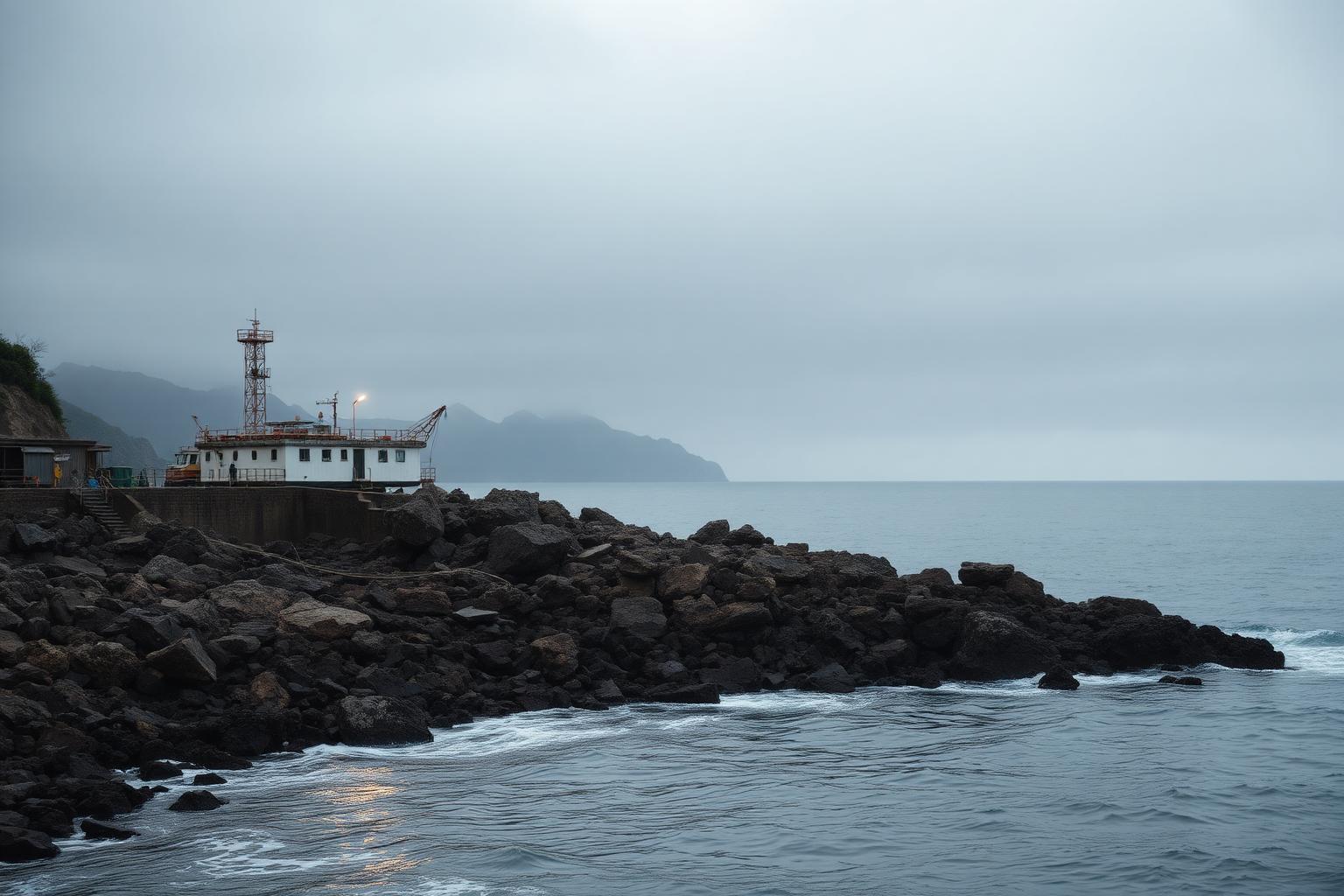
In early February 2023, both undersea cables connecting Taiwan's Matsu Islands to the main island were cut within six days of each other. The first cut was attributed by Taiwan's authorities to a Chinese fishing vessel and the second to a Chinese cargo ship, although attribution in cable incidents is rarely simple and rarely complete. Repair vessel availability and weather extended restoration into the following months, and residents and businesses relied on constrained microwave and satellite capacity in the interim.
The incident did not affect mainland Taiwan's internet connectivity, which is served by a substantially more diverse mesh of submarine cables landing at multiple points around the island. But it served as a high-profile demonstration of what happens when a small number of cables serve a defined geography, and it pulled questions about cable resilience, alternative connectivity and the governance of critical communications infrastructure into mainstream political and regulatory discussion in Taiwan.
Cable damage is a routine global phenomenon. The submarine cable industry records on the order of one hundred to two hundred faults each year worldwide, the great majority caused by fishing gear and ship anchors rather than by deliberate action. The reason the Matsu cuts attracted attention was not their cause but their concentration in time and geography, and the fact that they affected an inhabited and economically active jurisdiction with limited backup.
For financial services and other essential providers operating in or serving Taiwan, the implications are practical rather than dramatic. Mainland Taiwan's connectivity is genuinely diverse and the systemic risk from any single cable event is low. The risk profile changes for outlying islands and for the small number of submarine routes that serve highly specific functions, and operational planning needs to reflect those concentrations. Satellite capacity, including low Earth orbit services that have matured rapidly in recent years, has changed the realistic options for backup, but contractual readiness and equipment positioning still need to be deliberate.
The broader regional point is that submarine cable resilience is a shared APAC concern. The Luzon Strait, the South China Sea and the seas around Hong Kong and southern Taiwan host a dense concentration of major cable systems, and faults in this geography routinely affect routing across the region. Major cable cuts in recent years, including those affecting routes through the Red Sea and the Mediterranean, have reminded operators that the global cable network is more concentrated and more exposed than the abstract map suggests.
Policy responses across APAC have started to converge on several themes. Cable diversification through new investments and new routes is being supported by a mix of commercial finance and government participation. Repair vessel capacity, which is genuinely scarce in some sub-regions, is receiving more attention. And critical communications infrastructure protection is being incorporated into national resilience frameworks rather than treated as a niche telecommunications topic.
For organisations setting connectivity resilience priorities, a few practical points apply. Know the physical cable routes that carry your critical traffic, not just the logical providers. Treat satellite backup, including LEO services, as a serious operational option that needs equipment, contracts and rehearsal. And accept that the resilience picture in APAC is uneven across geography, with mainland markets generally well served and outlying or single-route geographies materially more exposed.